O NAS
Abyście jednak mogli zobaczyć, skąd bierze się cały ten błąd oskarżania przyjemności i chwalenia bólu, wyjawię całą sprawę,
UZYSKAJ BEZPŁATNĄ WYCENĘ

Why do contractors use hydraulic hammer pile methods on tough sites?
-
 autor
autor - 14,sierpień
Tough sites rarely give contractors a clean working day. The ground may shift from clay to gravel within a few meters. Weathered rock can slow progress. Groundwater can weaken hole walls. Access roads may be narrow, and the schedule may already be under pressure before the first pile is driven. In 2026, this pressure is even clearer as data centers, power projects, bridges, ports, and public infrastructure keep demand high while labor and material costs remain difficult to predict.
That is why many foundation teams choose hydraulic hammer pile methods when ground conditions are severe and time matters. A hydraulic pile hammer gives controlled impact energy, strong penetration, and a practical way to install steel sheet piles, steel piles, H-piles, timber piles, and precast concrete piles. When matched with proper investigation, pile caps, rig support, and drilling tools, it can turn a difficult site into a more manageable project.
Na Zestaw SON'S, we build foundation construction equipment for contractors who work in real field conditions, not only clean drawings. Our products cover rotary drilling rigs, piling equipment, core drilling equipment, water well drilling rigs, and underground construction machinery. For tough sites, the goal is simple: help the contractor drive piles with less delay, better control, and stronger confidence in the ground below.
Tough sites demand more than ordinary pile installation
A tough site is not only a site with hard rock. It can be a city block with limited access, a bridge foundation near water, a wind power foundation in changing soil, or a deep foundation pit beside existing structures. Contractors often face mixed layers, hidden boulders, old fill, soft pockets, and water-bearing zones in the same working area.
Before choosing hydraulic hammer pile methods, project teams usually ask three practical questions:
- Can the pile reach design depth without repeated refusal?
- Can the method protect nearby structures and reduce unnecessary delay?
- Can the crew keep production stable with fewer skilled workers on site?
These questions matter because foundation mistakes are expensive. A slow pile may affect cranes, concrete teams, inspection schedules, and owner payments. A wrong hammer choice may damage piles. Poor ground reading may lead to redesign or rework. Hydraulic systems help because they give contractors more control over stroke, impact rhythm, and energy transfer than older, rougher methods.
How hydraulic hammer pile methods work on difficult ground?
Hydraulic hammer pile methods use a hydraulic system to lift and release a hammer core. The impact energy travels through the pile cap and into the pile head, driving the pile into the ground. The method looks direct, but good performance depends on many details: hammer weight, stroke, pile type, soil resistance, pile cap fit, alignment, and heat control.
Controlled impact energy improves penetration
On tough ground, brute force is not enough. The hammer must deliver usable energy without breaking the pile head or wasting power through poor contact. A hydraulic hammer can adjust frequency and stroke according to soil behavior. When the pile enters dense sand, gravel, or weathered rock, the operator can read penetration rate and adjust the driving rhythm.
SINOVO Rig hydraulic pile hammers are designed for energy-saving work, stable operation, fast oil cylinder cooling, and strong penetration from a slender hammer body. Depending on model choice, strike energy can reach high levels for demanding pile work, while intelligent control and remote-control options help crews handle complex construction methods with better visibility.
Better heat control supports long working hours
Foundation teams often lose time when hydraulic oil overheats. On busy infrastructure sites, a machine that needs frequent cooling breaks can disturb the whole schedule. Hydraulic hammer systems with independent circulating pump units and effective heat dissipation help keep work moving during long shifts.
This is important in markets where skilled labor is tight. A contractor may not have extra crews waiting. If the pile driving equipment can work steadily, the project manager gains a better chance of protecting daily output.
Low noise and cleaner operation suit urban projects
Urban construction is one of the strongest reasons contractors consider hydraulic hammer pile methods. Many sites sit near roads, utilities, homes, hospitals, or commercial buildings. Diesel smoke, high noise, and unstable vibration may create complaints or permit pressure.
Hydraulic pile hammers are often valued for lower smoke and lower noise compared with older impact systems. They are not silent, but their cleaner operation fits modern jobsite demands. For city renewal, bridge repair, public utilities, and waterfront works, that difference can help contractors complete pile driving with fewer site conflicts.
Why ground investigation still matters before pile driving?
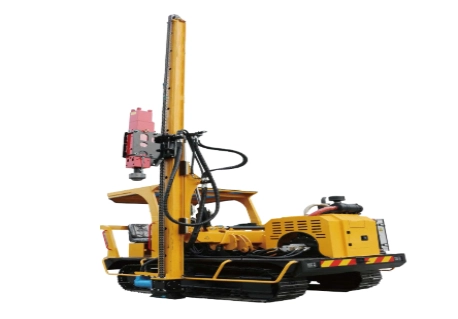
A hydraulic hammer is powerful, but it is not a substitute for knowing the ground. Contractors working on tough sites need reliable geological information before selecting pile length, hammer model, pile cap, and driving procedure. This is where core drilling and drilling accessories become valuable.
Core samples show the difference between hard rock, broken rock, gravel, clay, and mixed layers. They also help engineers judge whether refusal is caused by true bearing strata or by a local obstruction. The more accurate the ground reading, the easier it becomes to choose the right pile method.
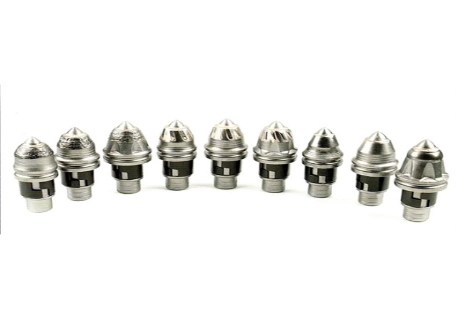
SINOVO Rig offers akcesoria do wiertnic rdzeniowych such as core barrels, core bits, drill rods, wire-line tools, reamers, adapters, overshots, and related wear parts. In real projects, these tools support early investigation and help contractors avoid blind pile driving.
Drill bits and rods help read changing formations
Different ground needs different drilling choices. A surface-set diamond core bit may need lower rotary speed to protect exposed diamond grains. An impregnated core bit can work differently in harder formations. In broken or fractured rock, drillers often slow rotary speed to reduce vibration and protect the tool face.
This matters to pile work because a mixed ground report can change the whole plan. If core drilling shows deep soft layers above hard bearing strata, the contractor may need longer piles or a stronger hammer. If fractured rock appears near design depth, the team may adjust driving criteria before piles are damaged.
Accessories reduce downtime when the site is far from easy supply
A jobsite can lose a full day because of one worn part. Core drilling rods, adapters, reamers, lifting tools, and salvage tools may look small compared with a pile hammer, but they protect field progress. On remote infrastructure or energy projects, having suitable accessories ready can reduce waiting time and keep the investigation team moving ahead of pile driving.
Na SINOVO Rig products, our equipment range is built around this practical field logic. Foundation projects need rigs, hammers, drilling tools, and support equipment that can work together, not isolated machines chosen only by catalog size.
Where hydraulic pile hammers bring the most value?
Contractors usually choose hydraulic hammer pile methods when the site has high resistance, a tight program, or difficult access. The method can be useful across several project types.
Common applications include:
- Road and bridge foundations
- Port and dock construction
- Wind power and water conservancy projects
- Mining and industrial foundations
- Real estate and high-rise foundations
- Steel sheet pile walls and temporary works
- H-piles, steel tube piles, timber piles, and precast concrete piles
A hydraulic hammer is also useful when the project needs repeatable driving data. The crew can watch blow count, penetration rate, hammer stroke, and pile behavior. This gives the engineer and contractor a clearer basis for decisions in the field.
For technical background on driven pile equipment and impact hammer principles, contractors can also review public guidance such as the FHWA driven pile foundation reference.
What contractors should check before choosing a hydraulic hammer?
Not every hammer fits every site. Choosing only by maximum energy can be risky. A contractor should match the hammer, pile, soil, and rig support as one working system.
Key checks include:
- Pile type: steel sheet pile, H-pile, steel tube pile, timber pile, or precast concrete pile
- Required depth and expected resistance
- Hammer core mass and maximum strike energy
- Stroke range and blow frequency
- Pile cap design and pile head protection
- Hydraulic oil tank capacity and cooling ability
- Total hammer weight and lifting equipment capacity
- Site access, transport height, and working area
- Noise, vibration, and nearby structure limits
SINOVO Rig can provide specific pile caps for different pile types. Our hydraulic pile hammer range includes electric and diesel power station options, with large hydraulic oil tank capacity and rated pressure designed for heavy work. For contractors, this means the hammer can be selected according to real project limits instead of guesswork.
How SINOVO Rig supports contractors on tough sites?
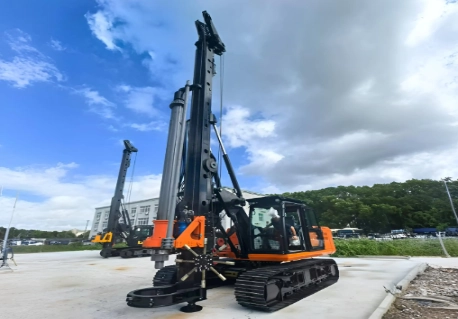
SINOVO Rig has long focused on underground foundation construction machinery. Our equipment covers rotary drilling rigs, hydraulic piling rigs, casing systems, diaphragm wall equipment, water well drilling rigs, core drilling rigs, and related accessories. We are also experienced in complete construction equipment solutions for foundation companies worldwide.
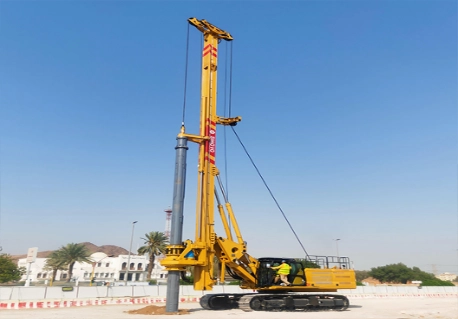
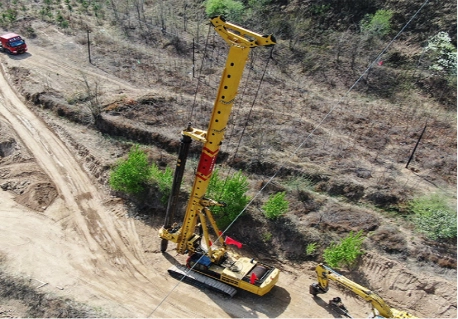
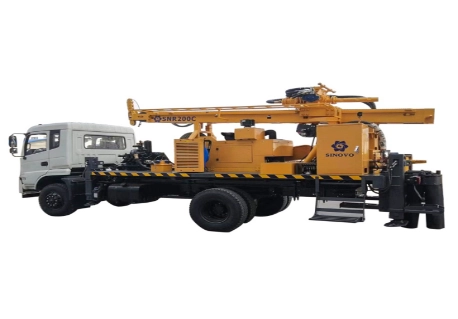
For confined sites, our small rotary drilling rigs can work in narrow access areas and low headroom conditions. For geological drilling and water-related projects, our SNR200T water well drilling rig uses hydraulic actions for mast lifting, rod unloading, rotation, feeding, support legs, hoisting, and walking, reducing labor intensity and improving field efficiency. For piling, our hydraulic hammer products are built for strong penetration, stable operation, and cleaner work on demanding sites.
When contractors face difficult ground, we believe the best result comes from a complete view: investigate the ground, choose the right pile method, prepare the correct accessories, and match the hammer to the pile. That is how tough sites become buildable.
Wniosek
Hydraulic hammer pile methods are popular on tough sites because they give contractors strength, control, and speed when ordinary pile installation becomes uncertain. They help drive piles through dense soil, mixed layers, and demanding foundation conditions while supporting cleaner and more stable work. Yet the hammer is only one part of the answer. Good core drilling, correct accessories, suitable pile caps, and sound equipment matching are just as important. For contractors under pressure from rising costs, short labor supply, and faster project schedules, the right foundation equipment can protect both time and quality. SINOVO Rig supports this need with piling equipment, drilling rigs, and core drilling accessories built for real construction challenges.
Często zadawane pytania
Q: What are hydraulic hammer pile methods used for?
A: They drive steel, concrete, timber, and H-piles into tough ground.
Q: How heavy is a hydraulic pile hammer?
A: SINOVO Rig models range from about 21,000 kg to 42,500 kg.
Q: What hydraulic oil tank size is common?
A: Typical power stations use 1,530 L to 2,750 L.
Ostatni post