ABOUT US
Sed ut perspiciatis unde omnis iste natus error sit voluptatem
accusantium doloremque laudantium, totam rem aperiam,
GET A FREE QUOTE

How to Choose a Rotary Drilling Rig in 2026: Torque, Depth, Fuel Use, and Jobsite Fit
-
 author
 - 31,July
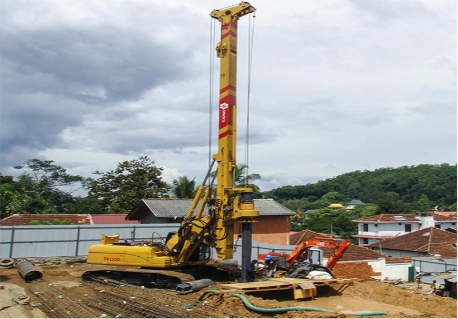
Buying a rotary drilling rig is not simply a question of choosing the highest torque or deepest drilling capacity. A powerful machine may still become expensive if it is too large for the site, difficult to transport, or poorly matched to the ground. For contractors and equipment buyers, the best choice is the rig that delivers stable production across the full job cycle.
In 2026, buyers are also paying closer attention to fuel use, digital controls, operator workload, and lower-emission construction. These factors affect bids, daily output, safety, and ownership cost. This guide explains how to compare a rotary drilling rig with the real demands of your project.
Why Rotary Drilling Rig Buying Criteria Are Changing?
Construction machinery is moving toward cleaner power, connected equipment, and more accurate jobsite data. The official bauma industry key topics highlight climate neutrality, alternative drives, and networked construction. For piling contractors, this means examining how efficiently a rig turns fuel, time, tools, and operator skill into completed piles.
Key buying questions now include:
- How much productive drilling time can the rig deliver per shift?
- Can it work safely within height, width, and ground-pressure limits?
- Will the power head and crowd system handle the geology?
- Are maintenance points easy to reach?
- Can operating data reduce idle time and repeated drilling?
- Is service, training, and parts support available?
Start with Ground Conditions and Pile Design
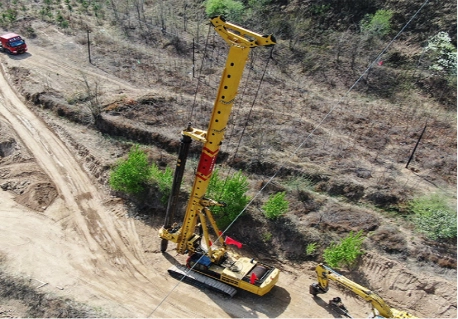
Correct rig selection begins with the geotechnical report and pile schedule, not with a brochure. Soil type, rock strength, groundwater, bore diameter, pile depth, and casing requirements all influence machine load. A careful review at this stage helps prevent slow penetration, tool damage, unstable holes, and costly changes after mobilization.
Match Torque and Crowd Force to the Geology
Rotary torque matters, but it should be considered with crowd force, tool type, and rotary speed. Soft clay may need fast spoil loading and bucket discharge. Dense sand, gravel, and cobbles can require stronger crowd force, casing support, and wear-resistant tools. Hard rock places higher demands on torque, tool strength, and heat control.
Do not select a rig by maximum torque alone. Ask how it performs under continuous load and whether the available tools suit the formation. A balanced system can produce more meters per shift than an oversized power head with the wrong bucket or core barrel.
Check Depth and Diameter Together
Maximum depth and diameter are often listed separately, but a project may require both at the same time. A rig that reaches 80 m with a smaller tool may not deliver the same depth with a 2500 mm bucket. Kelly bar type, mast capacity, main winch pull, and tool weight also affect practical limits.
Give the supplier a pile table showing diameter, depth, ground layers, casing length, concrete method, and maximum tool weight.
Choose the Right Rig Size for the Site
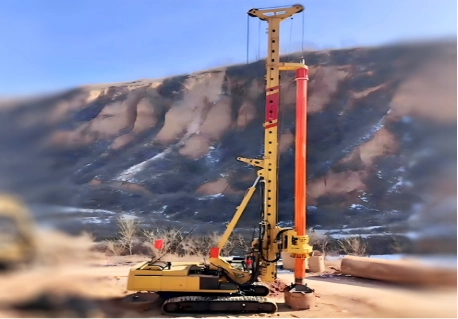
Rig size changes transport cost, crane support, assembly time, turning space, and access planning. Buyers should examine the complete route from port or yard to the drilling point. A well-sized machine can start sooner, move faster, and reduce temporary work around it, even when a larger rig appears more impressive.
Small Rigs for Urban and Civil Projects
Compact machines often suit residential foundations, utility work, small bridges, industrial buildings, and sites with limited access. Their lower transport weight and smaller working radius can make mobilization easier.
The mini and small rotary drilling rig range is worth reviewing when the project does not require extreme depth or diameter. The machine should still provide enough torque and stability for the expected ground.
Large Rigs for Deep and Wide Piles
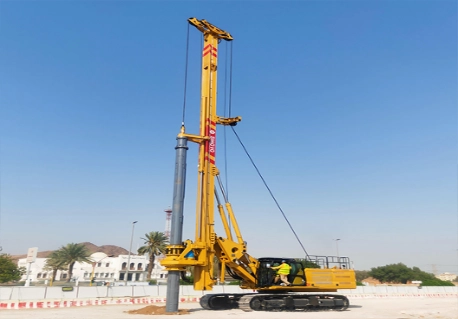
Bridge foundations, high-rise buildings, ports, and major transport projects may need deep holes, large diameters, or difficult rock drilling. The rig must provide strong torque, high main-winch capacity, a stable undercarriage, and reliable mast support.
SINOVO Rig offers medium and large rotary drilling rigs for demanding pile work. Our range includes models for deep and large-diameter foundations. We recommend matching the rig to the heaviest expected drilling condition, not the easiest soil layer.
Low-Headroom Rigs for Restricted Work
Projects below bridges, inside plants, near power lines, or under existing structures often have strict height limits. A standard mast may be impossible to erect safely. A low-headroom rotary drilling rig can provide drilling capacity within a shorter working envelope.
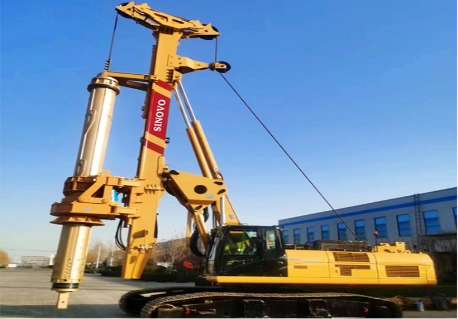
Buyers should confirm mast height, Kelly bar arrangement, lifting method, tool-handling space, and spoil route. Restricted height usually creates a restricted workflow as well.
Look Beyond the Purchase Price
The lowest quotation does not always produce the lowest pile cost. A rotary drilling rig earns money only when it is drilling, cleaning, moving, or preparing the next bore. Fuel waste, difficult maintenance, repeated breakdowns, and slow transport can erase an initial price advantage within one project.
Measure Fuel, Wear, and Downtime
Ask for expected fuel use under comparable working conditions, not only engine power. Review idle time, hydraulic efficiency, cooling capacity, and operating modes. A machine running at full speed while waiting for concrete or casing wastes fuel without adding production.
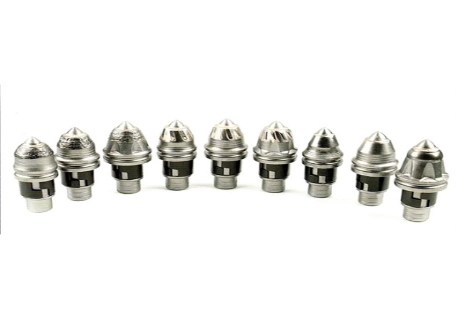
Check wear items such as drilling teeth, bucket edges, Kelly bar wear pads, wire ropes, seals, filters, and hydraulic hoses. Easy inspection and common replacement parts shorten service time.
Include Transport and Operator Workload
Transport permits, trailer needs, mast folding, counterweight handling, and assembly cranes belong in the ownership calculation. A rig that moves quickly between sites may create more annual value than a heavier machine with slightly higher capacity.
Clear controls, good visibility, stable positioning, and readable drilling data also reduce operator workload. They can limit errors and shorten training time when skilled operators are difficult to recruit.
Digital Controls and Lower-Carbon Operation
Digital features matter when they solve a real site problem. Displays and sensors should help maintain verticality, monitor depth, track load, detect abnormal pressure, and record production. Data can also support maintenance planning and reduce unnecessary idling.
For lower-carbon work, buyers should focus on practical actions:
- Select a rig correctly sized for the pile
- Use suitable tools to reduce repeated passes
- Track idle hours and fuel use
- Maintain filters, cooling systems, and hydraulic parts
- Plan concrete, casing, and spoil logistics around drilling output
- Consider alternative power where site infrastructure supports it
These steps can reduce fuel use even when a conventional power system remains the best choice.
How SINOVO Rig Supports Project Fit?
At SINOVO Rig, we treat machine selection as an engineering decision. We review pile depth, diameter, geology, access limits, transport conditions, and tooling needs before recommending a model. Our rotary drilling rigs and tools cover compact, low-headroom, medium, and large foundation applications. Buyers can also compare related equipment through our full product catalog.
A clear project brief allows our team to suggest a suitable rig, Kelly bar, bucket, auger, or core barrel. It also helps buyers avoid paying for capacity they will rarely use.
A Practical Buying Checklist
Before ordering, confirm these items in writing:
- Typical and maximum pile depth and diameter
- Soil, gravel, cobble, and rock conditions
- Torque, crowd force, and main-winch pull
- Kelly bar and drilling tool compatibility
- Working height and transport dimensions
- Undercarriage width and ground pressure
- Safety devices and emergency controls
- Service access and spare parts package
- Installation, training, warranty, and technical support
- References from projects with similar geology
Conclusion
Choosing a rotary drilling rig in 2026 requires a wider view than torque, depth, and purchase price. The rig must match the geology, pile design, access, transport route, tools, crew, and production target. Digital controls and lower fuel use add value only when the basic machine is correctly sized. Start with a detailed project brief, compare practical drilling limits, and calculate total cost per completed pile. A supplier should explain why a certain model, Kelly bar, and drilling tool fit the job. When machine capacity and site conditions are aligned, contractors gain steadier output, fewer delays, safer operation, and stronger control over project cost. This disciplined selection process also protects margins when geology changes or schedules become tighter.
FAQs
Q: How deep can a rotary drilling rig drill?
A: Selected SINOVO Rig models can reach 110 m, depending on configuration and geology.
Q: What pile diameter can large rotary drilling rigs handle?
A: Selected large models support pile diameters up to 3000 mm.
Q: How much rotary torque is available?
A: Large SINOVO Rig models can provide up to 450 kN·m.
Recent Post