
ABOUT US
Sed ut perspiciatis unde omnis iste natus error sit voluptatem
accusantium doloremque laudantium, totam rem aperiam,
GET A FREE QUOTE

How Does Casing Application Improve Borehole Stability?
-
 author
- 5,November
“Can we just put casing in the hole?” That question often comes up when loose fill falls into an excavation, sand starts to run, or groundwater carries fines into the bore. Casing can help, but only if it reaches the troublesome layer and the equipment can advance it. Before selecting a pipe, the contractor needs to know how the casing will be installed, what lies below the shoe, and whether the casing must come out afterward.
Borehole casing acts as a supporting wall between the excavation and the surrounding ground. While drilling or excavation continues inside the pipe, the casing helps limit soil sloughing and local wall collapse. Depending on the foundation design, it may be removed during construction or left permanently in place. It does not, by itself, stabilize the ground beneath the casing shoe or eliminate all groundwater and base-stability risks.
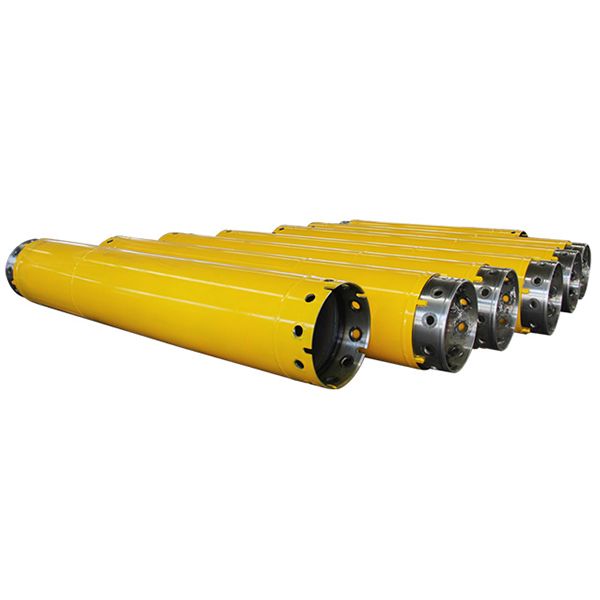
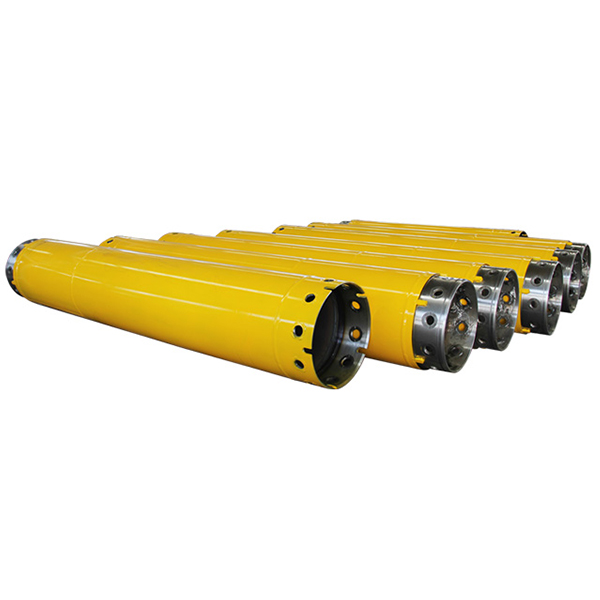
The Casing Application product line shows how SINOVO brings the casing and its handling equipment together. Single- and double-wall sections, rotators, oscillators, and extractors serve different stages of the same job. A workable specification must explain not only which pipe is needed, but also how it will advance and, when required, be removed.
How casing supports an unstable borehole
In loose sand, gravel, fill, or other collapse-prone material, the open bore wall can shed soil into the excavation as drilling progresses. Advancing a steel casing through the unstable interval gives that section a physical boundary. This reduces the area of exposed ground and helps maintain the required bore diameter for drilling, reinforcement placement, or other foundation work.
The casing shoe marks the lower limit of this support. Material below it can still cave in, and water pressure or inflow may still need separate control. Casing depth, installation sequence, water conditions, and the chosen drilling method therefore need to be checked together; simply specifying a larger pipe will not resolve every stability problem.
Map the ground conditions before requesting a quote
Start with the ground profile rather than a model number. Mark fill, sand, gravel, groundwater, old concrete, boulders, the proposed bore depth, and the planned casing shoe on a section drawing. If the site investigation is preliminary, label the casing depth “provisional” so that an estimate is not mistaken for a confirmed installation requirement.
The next question is how the ground is likely to fail. Will loose material ravel into the excavation? Could seepage carry fines through the side wall? Is a hard obstruction likely to stop the casing before it reaches the target depth? A bore can appear stable near the surface and still encounter a problematic layer farther down. These conditions call for different tools and operating methods.
According to SINOVO’s single- and double-wall casing product page, its casing is intended for borehole stabilization in collapsible ground and for transmitting torque and crowd forces from suitable rotary rigs, casing oscillators, or casing rotators. Quote the casing sections, joints, shoe, drive adapter, and machine interface as a system. Diameter alone is not enough to confirm compatibility.
The casing shoe determines how the pipe advances
The shoe meets the formation first. Where dense material, hard inclusions, or secant pile work is involved, the cutting ring and tooth arrangement can determine whether the casing cuts forward or merely presses against the ground. Ask whether the teeth are welded or replaceable, which wear parts are included, and exactly which shoe the quotation covers.
Wall construction must suit the site. A short run through soft ground differs from a long string crossing gravel or hard inclusions. Double-wall casing is relevant when the system must transmit high torque and crowd force. Any reinforced design should be justified by the bore diameter, depth, ground conditions, and machine capacity.
Rotator or oscillator: match the equipment to the site
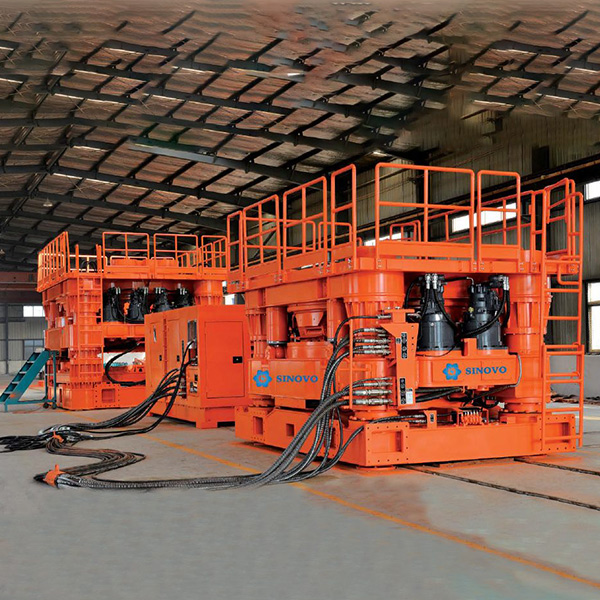
A casing rotator applies rotary action and force to advance the pipe. It is worth evaluating where the planned route includes difficult obstructions. SINOVO describes its Casing Rotator for ground that may contain boulders, reinforced concrete, or karst formations, including demanding subway and bridge-foundation projects.
A useful RFQ turns that product description into site-specific questions: What is the obstruction? How large is the casing? How much space is available for reaction and equipment setup? What force and tooling are proposed to advance the pipe? The supplier will also need the expected depth, working-platform conditions, and information about the rig or power unit. An incomplete ground report should be treated as a qualification, not an equipment guarantee.
An oscillator advances casing through a controlled oscillating action combined with downward or upward force. SINOVO lists both an impacting-grab type and a rotary-drilling-rig type casing oscillator. The rotary-rig version is presented as auxiliary equipment for casing follow-up and can operate with its own power source or an independent hydraulic source.
For this option, check whether loose soil is the main problem, whether large obstructions are present, and whether there is adequate room around the bore. Confirm also whether the casing is temporary. The Casing Oscillator page provides SINOVO’s relevant equipment options, but the installation method still needs to be agreed for the actual site.
Check the drive adapter and handling plan
At the top of the casing string, the drive adapter transfers force from the drilling or casing equipment into the pipe. It must match the casing dimensions, rotary head, and intended loading. Without a compatible connection, the pipe and machine may be individually suitable but unusable together.
This is one reason two quotations can differ significantly. One supplier may price only the casing sections; another may include adapters, shoes, joints, lifting points, and handling tools. Ask each supplier to identify what is included, optional, and excluded, and to show the complete configuration covered by the price.
Where the casing arrives in sections, the site plan should also show unloading, temporary storage, lifting, and the working area around the rig. A generic equipment outline will not reveal whether the operation fits into the available space.
Plan casing extraction before drilling starts
Temporary casing introduces a second critical operation. Depending on the approved construction method, it may be withdrawn during concrete or grout placement. The withdrawal sequence must be coordinated with material placement and ground conditions to avoid loss of support or defects in the finished foundation. Delayed removal can also make a long casing string difficult to recover.
SINOVO offers hydraulic extractors for pulling protective casing and Kelly bars. A Casing Extractor may be suitable where controlled pulling force is needed. Specify casing weight, embedment, available access, power-pack position, lifting points, and anticipated extraction force. The quotation should explain how the team intends to respond if withdrawal meets unexpected resistance.
What to include in a casing equipment RFQ
Send a bore section and a concise ground note. State the required bore diameter and depth, proposed casing depth, unstable layers, groundwater conditions, and known obstruction risks. Include the selected or available drilling rig, interface dimensions, torque and crowd capacity, hydraulic limits, access width, overhead clearance, and working-platform constraints.
For the equipment scope, ask for casing type and section length, joint design, cutting shoe, drive adapter, power pack if required, extraction equipment, lifting tools, and wear parts. Mark missing ground or equipment data as “unknown.” If a later site investigation changes the casing depth or obstructions, request an updated method and price rather than assuming the original proposal still applies.
Compare the protected depth before comparing prices
A proposal allowing for five metres of casing and one allowing for ten metres do not describe the same supported excavation. First compare the interval that each system is intended to protect. Then check the wall construction, shoe, joints, adapter, advancement method, extraction sequence, and machine interface.
Casing application improves borehole stability when the supporting pipe reaches the unstable interval and the drilling and handling equipment can operate as specified. A product name cannot prove that a particular system will work in every ground condition.
For a combined rig-and-casing package, ask the supplier to confirm adapter fit, hydraulic supply, handling equipment, and the planned removal sequence in writing. That provides a sounder basis for comparing total project scope than pipe price alone.
Frequently asked questions
When is borehole casing most useful?
Casing is especially useful where the excavation passes through loose fill, sand, gravel, or other material that may collapse into an open bore. The necessary depth and installation method depend on the site investigation and foundation design.
Does casing stop groundwater from entering a borehole?
It can reduce direct exposure of the side wall in the cased interval, but it is not a complete groundwater-control system. Water may still enter beneath the shoe or through other pathways. Groundwater pressure and the stability of the excavation base must be assessed separately.
Should the casing be removed or left in place?
Either arrangement may be used, depending on the pile design, construction method, ground conditions, and applicable project requirements. If temporary casing is specified, the contractor also needs an agreed extraction sequence and sufficient pulling capacity.
Discuss your casing requirements with SINOVO
For a more relevant recommendation, share your bore diameter, depth, ground profile, groundwater conditions, existing rig details, and proposed casing depth. SINOVO can review the casing sections, installation equipment, shoe and adapter requirements, and possible extraction scope. Contact SINOVO with the project details to request an equipment quotation.
Recent Post
Related Products
Best-selling Products
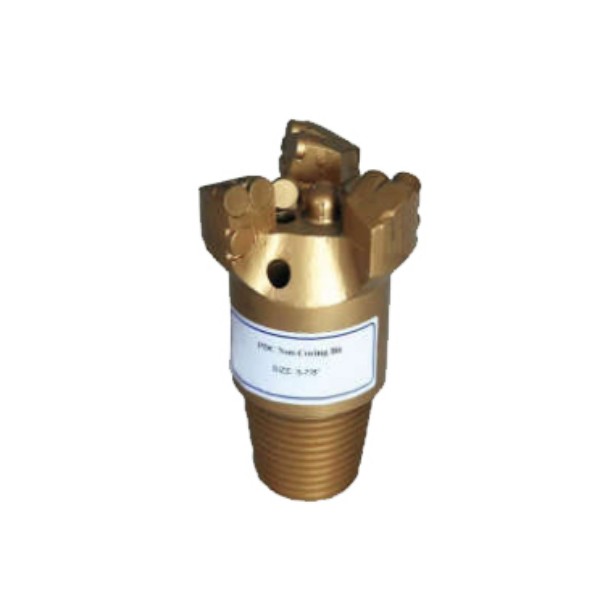
Non-coring Bit
Non-coring Bits
SINOVO Diamond Non-coring Bits For Metal Drilling And Core Drilling With CE/GOST/ISO9001 Certificate
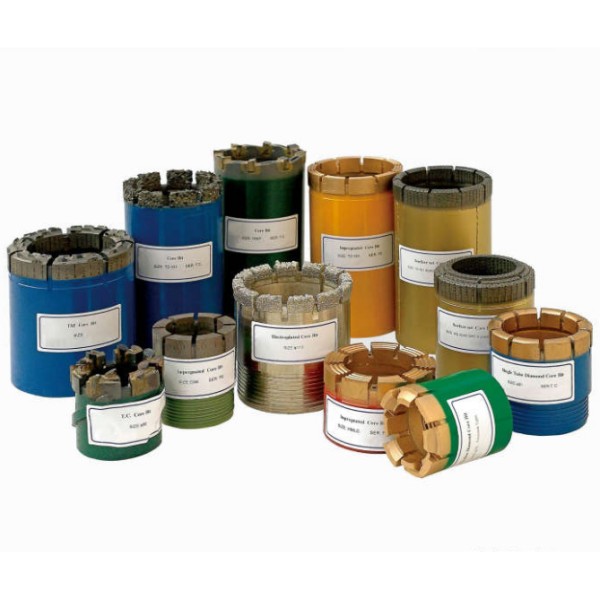
Core Drill Bit
Diamond Core Drill Bit For Metal Drilling And Core drilling
Our company pays attention to product quality and abides to credit, and also do our best to provide the best products and excellent service to customer. To build good after-sale service system, we draw up the Quality Guarantee according to the standard of profession and combining field experience.
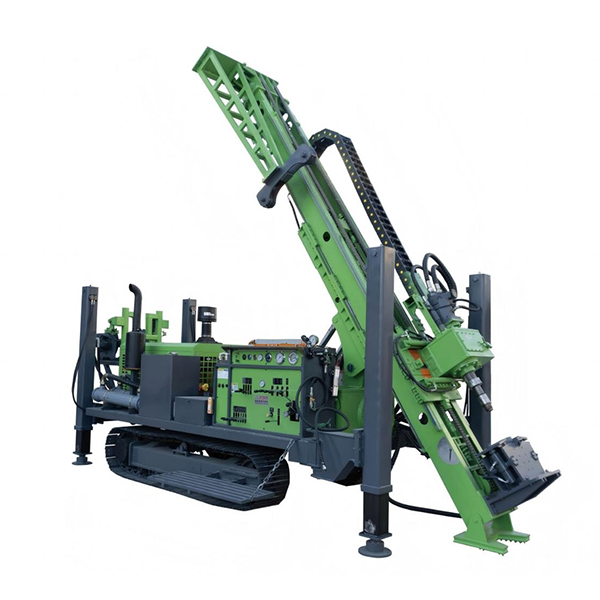
SY1600/SY2000 Crawler Type Full Hydraulic Core Drilling Rig
SY1600/SY2000 series crawler type full hydraulic core drilling rig is a new type of full hydraulic core drilling rig designed by our company after careful optimization and innovative design based on extensive reference to advanced technologies of similar drilling rigs at home and abroad. This drilling rig is for diamond wireline coring drilling process, with excellent performance, high drilling speed, stable operation, easy operation, safe and reliable, and highly integrated design, making the whole machine compact and functional, with low failure rate and simple maintenance, which significantly improves drilling efficiency and drilling quality.
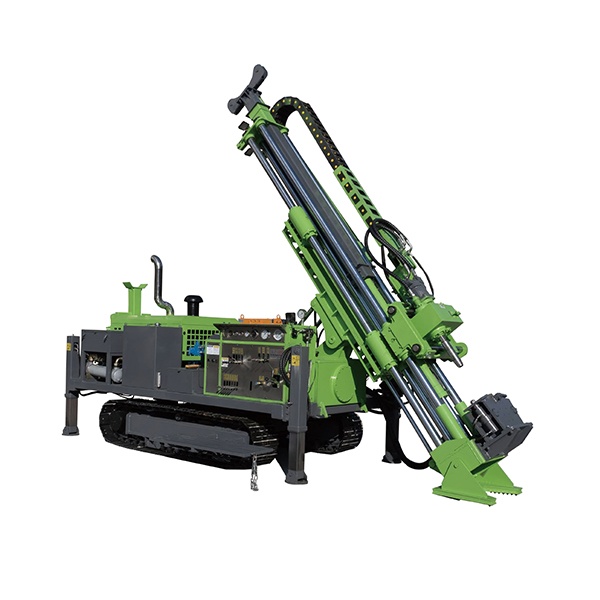
SY1000C/SY1200 Crawler Type Full Hydraulic Core Drilling Rig
SY1000C/SY1200 series crawler type full hydraulic core drilling rig is a new type of full hydraulic core drilling rig designed by our company after careful optimization and innovative design based on extensive reference to advanced technologies of similar drilling rigs at home and abroad. This drilling rig is for diamond wireline coring drilling process, with excellent performance, high drilling speed, stable operation, easy operation, safe and reliable, and highly integrated design, making the whole machine compact and functional, with low failure rate and simple maintenance, which significantly improves drilling efficiency and drilling quality.
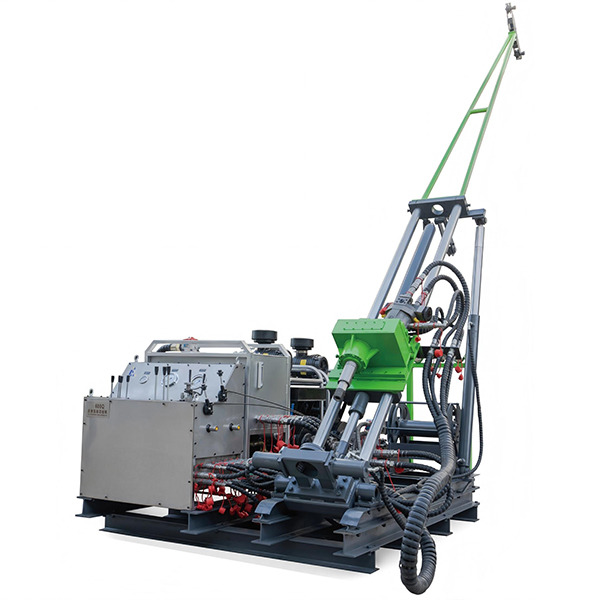
SY600Q/SY800Q Portable Full Hydraulic Core Drilling Rig
SY600Q/SY800Q portable fully hydraulic core drilling rig, lightweight design and material selection, modular design, to achieve all-terrain, all-scenario, all- application, thin-wall diamond wireline coring drilling technology, high drilling efficiency, Simple assembly, remote area operation, no need to build roads or destroy vegetation, the drill rig can be manually transported, safe and convenient.
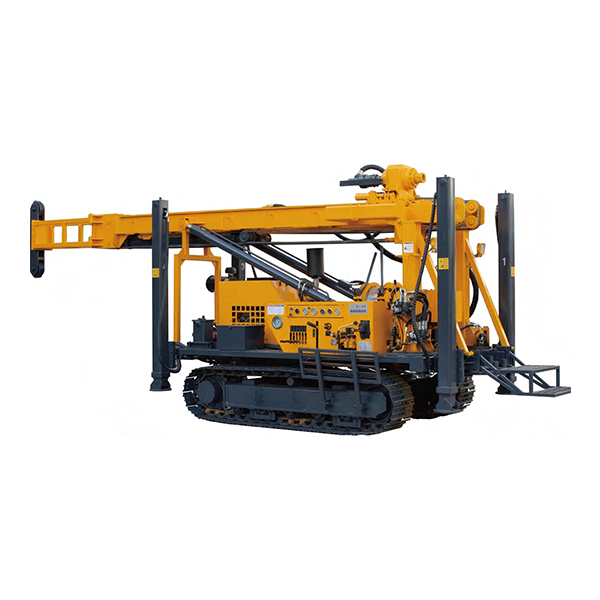
SDL350/XSDL350 Mechanical Top Drive Drilling Rig
SDL-350/XSDL-350 mechanical top drive drilling rig is a drilling equipment independently developed by the company that can drill 90° and integrates the functions of water drill and air drill. It adopts 5-speed manual car transmission. wide speed range, sensitive and convenient forward and reverse switching,high transmission efficiency, greatly reduced power energy consumption,more efficient and energy-saving.It solves the difficulty of drilling with air down-the-hole hammers in soil layers and the low construction efficiency of rotary driling rigs in hard rock layers, gravel, and pebble layers.