ABOUT US
Sed ut perspiciatis unde omnis iste natus error sit voluptatem
accusantium doloremque laudantium, totam rem aperiam,
GET A FREE QUOTE

What Depths Can a Rotary Drilling Rig Reach?
-
 author
 - 9,October
When a contractor asks, “What depths can a rotary drilling rig reach?”, the honest answer is not one fixed number. A compact rig may drill around 12–15 m, while a large foundation machine can reach about 75 m under suitable conditions. A separate water well drilling rig may be designed for 600 m, 1,000 m, or more. The correct figure depends on the machine class, kelly bar, drilling tool, bore diameter, soil or rock, casing method, and site access.
This question matters more in today’s construction market. Urban projects are moving into tighter sites, deep foundations are supporting taller structures, and contractors are under pressure to reduce downtime and control fuel use. Low-clearance work, hard rock, and mixed ground can quickly expose the limits of a machine that looks powerful on paper.
Typical Rotary Drilling Rig Depth Ranges
Manufacturers usually state a maximum drilling depth for a machine, but that value is a reference point rather than a promise for every project. A buyer should compare the rated depth with the planned pile diameter, tool weight, ground profile, and required production rate. The following ranges give a practical starting point for project planning.
Mini and small rigs: about 12–20 m
Mini rigs are useful where transport, low weight, or limited working space matters most. A small model may reach roughly 12 m, while a stronger compact machine can work around 15 m or more. These rigs suit small bored piles, repair work, restricted urban sites, and jobs where a full-size mast cannot be erected. Their depth is limited by kelly bar length, torque, crowd force, and the need to keep the machine stable.
Medium and large foundation rigs: about 30–75 m
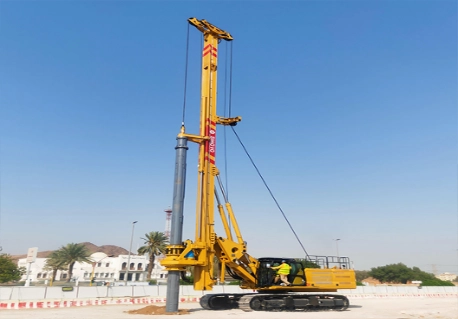
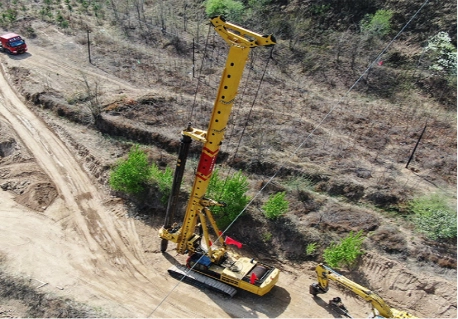
Medium and large hydraulic rotary rigs are built for bored piles, bridge foundations, highways, commercial buildings, and other deep foundation work. Depending on the bar configuration and drilling tool, many machines work in the 30–60 m range, while a high-capacity unit can reach about 75 m. Hard rock, large diameters, casing, and long working cycles may reduce the practical depth even when the catalogue number is higher.
Our medium and big rotary drilling rigs are intended for foundation piling projects that need strong torque, stable operation, and tool choices for changing ground. A project team can also review our kelly bar options before matching the rig to the target depth.
What Really Determines Drilling Depth?
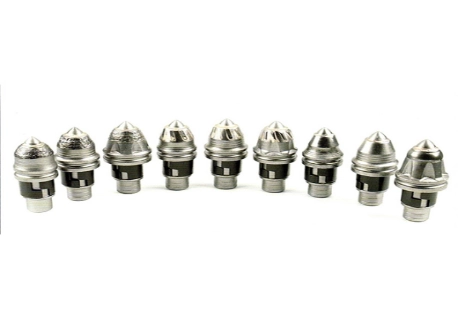
Maximum depth is the result of several working parts acting together. A rig that reaches 60 m in soft soil may not deliver the same result in strong bedrock. Before choosing equipment, engineers should treat depth as a complete drilling system rather than a single specification.
Ground conditions and drilling method
Clay, sand, gravel, weathered rock, and hard bedrock require different tools and methods. In soft ground, a clay bucket or soil bucket can remove spoil quickly. In rock, a rock bucket, core barrel, or another cutting tool may be needed. For well drilling in rock, the method can be very different from bored piling, and a water well drilling rig may be more suitable than a foundation rig.
Kelly bar, tool weight, and bore diameter
The kelly bar transfers torque and crowd force to the tool. A longer bar can increase working depth, but it also adds weight and demands more lifting capacity. A wider pile often needs a larger bucket and more torque, so the same machine may reach a shallower practical depth at a large diameter. Tool design matters as much as bar length.
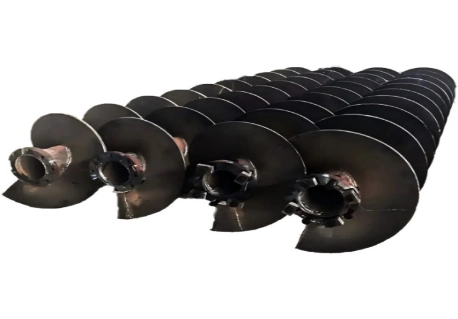
For continuous flight auger work, a CFA concrete grouting machine tool combines drilling, soil discharge, and concrete delivery. That process can improve output on suitable ground, but it should not be treated as a universal replacement for every deep pile method.
How Urban and Rock Projects Change the Answer
Recent project demand is moving toward limited-access foundation work, deeper basement construction, bridge upgrades, and renewable-energy infrastructure. These jobs create two opposite needs: machines must reach deeper, yet they must also fit under height limits, between existing buildings, or beside sensitive structures. Selecting depth without checking the working envelope can create delays before drilling even starts.
Low headroom and urban height-limit piling rigs
Urban height-limit piling rigs are designed for locations where the mast cannot rise to the height required by a standard machine. A low headroom full hydraulic rotary drilling rig can work inside buildings, beneath overhead structures, or in confined construction zones. The achievable depth may be lower than a large open-site rig, but access can be the deciding factor. In practice, a rig that fits the site is more valuable than a deeper machine that cannot enter it.
Hard rock and tool selection
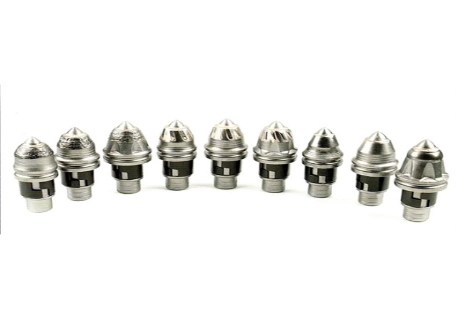
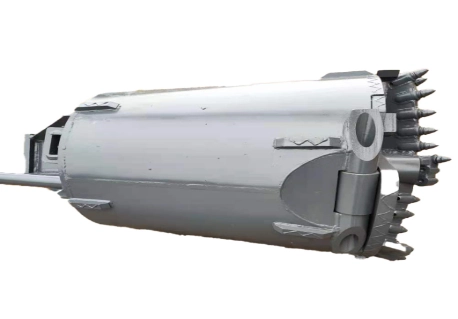
Rock changes productivity, not only depth. A hydraulic rotary rig may need higher torque, stronger teeth, casing support, or staged drilling. A rock bucket can help in weathered formations, while a core drill bit attachment may be considered for specialized ground investigation or hard formations. Diamond core drilling is a separate technical application and should be planned with the correct core rig, rods, and bits rather than assumed to be a normal piling operation.
Our rock bucket range is developed for demanding layers, including weathered rock and harder bedrock. For related foundation work, a hydraulic piling rig or hydraulic hammer pile solution may be more appropriate when the project requires pile driving rather than bored piles.
How to Choose the Right Depth Capacity
A dependable selection starts with the hole, not the machine brochure. Define the pile or well first, then match the equipment and tools to the work. This approach helps the contractor avoid paying for excess capacity or buying a rig that cannot handle the real formation.
- Confirm the required hole depth, diameter, verticality, and daily production.
- Check soil layers, groundwater, rock strength, and the need for casing.
- Compare kelly bar length with the working depth, tool height, and lifting limits.
- Measure headroom, access width, ground bearing capacity, and transport restrictions.
- Choose buckets, augers, rock tools, casing, and spare parts for the actual ground.
- Ask for a working-depth recommendation, not only a maximum catalogue depth.
As part of SINOVO Group, we support project discussions across foundation equipment, water well drilling, core drilling, and related tools. On the SINOVO site, buyers can compare product categories before sending a project brief. We can also discuss a hydraulic rotary drilling rig, a core drill bit attachment, or a different drilling method when the ground conditions require it.
Conclusion
So, what depths can a rotary drilling rig reach? A compact machine may drill about 12–15 m, a medium or large foundation rig may reach roughly 30–75 m, and a dedicated water well drilling rig can be rated for 600 m, 1,000 m, or more. These figures are useful only when they match the soil, rock, bore diameter, tool, kelly bar, and site conditions. Contractors should select the complete drilling system, not chase the largest number on a specification sheet. With the right machine class and tool package, depth becomes a planned production target rather than an uncertain limit.
FAQs
Q: How deep can a small rotary drilling rig reach?
A: A small rotary drilling rig commonly reaches about 12–20 m, depending on the model and ground.
Q: Can a hydraulic rotary drilling rig drill hard rock?
A: Yes, with suitable rock buckets, teeth, casing, torque, and a ground-specific drilling plan.
Q: Is a rotary drilling rig suitable for a 600 m water well?
A: No. A dedicated water well drilling rig is normally required for 600 m depths.
Recent Post