ABOUT US
Sed ut perspiciatis unde omnis iste natus error sit voluptatem
accusantium doloremque laudantium, totam rem aperiam,
GET A FREE QUOTE

Can a Water Well Drilling Machine Handle Sand and Rock Layers?
-
 author
 - 2,September
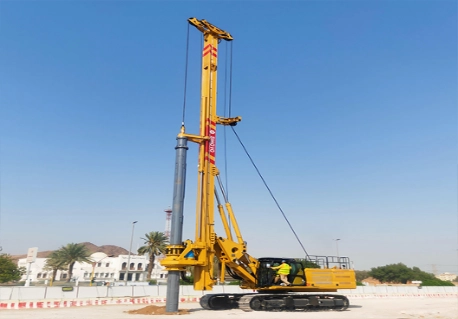
A water well drilling machine can handle sand and rock when the method, tool, circulation system, and bore support match each formation. Sand may collapse into the hole. Rock raises cutting resistance, heat, vibration, and wear. The real challenge is keeping the bore stable as the ground changes.
At SINOVO Rig, we look at the whole drilling process: geology, depth, hole diameter, air or mud supply, casing plan, and the tools available on the sinovo site. A capable rig may use mud rotary drilling in loose ground, then shift to down-the-hole hammer drilling or a core drill bit attachment when hard rock appears.
Why Mixed Sand and Rock Layers Are Difficult
Mixed formations can change the machine load within a short distance. A method that clears sand quickly may make little progress in rock, while a rock tool may disturb an unsupported sandy wall. Contractors need a plan that can change without losing the bore, damaging the bit, or wasting time on tool changes.
Sand Creates Stability and Cleaning Problems
Loose sand has little natural bond. Groundwater flow can carry grains into the bore, enlarge the hole, or trap the drill string. Fine sand also increases solids in the drilling fluid. If the return flow is weak, cuttings settle around the bit and slow penetration. Temporary casing, suitable drilling mud, controlled circulation, and steady feed pressure are often more important than high torque alone.
Rock Demands Energy and the Right Cutting Action
Rock drilling depends on strength, weathering, fractures, and abrasiveness. Soft or weathered rock may respond to a rock bucket or toothed auger. Hard bedrock usually needs percussion, roller cutters, or diamond core drilling. During well drilling in rock, excessive rotation without enough flushing can polish the bit, raise temperature, and shorten tool life. The operator must watch torque, return material, air pressure, and penetration rate together.
Which Drilling Methods Work Across Changing Ground?
No single method is best for every bore. The practical answer is a machine with enough torque and pullback, plus a tool package that covers loose overburden and rock. Many current projects favor flexible hydraulic systems because water supply work, geothermal wells, drought-response wells, and infrastructure construction often face incomplete geological records.
Mud Rotary Drilling for Sand and Unstable Overburden
Mud rotary drilling carries cuttings to the surface and forms a thin filter cake on the bore wall. This helps hold sand and soft soil in place. Fluid properties must be checked often: mud that is too thin cannot suspend cuttings, while mud that is too heavy can reduce drilling speed and complicate well development. A desander can remove abrasive solids and keep the circulating fluid useful for longer.
DTH Hammer Drilling for Hard Rock
A down-the-hole hammer delivers impact energy directly behind the bit. Compressed air lifts chips out of the bore and gives the operator a clear sign of formation changes. DTH drilling is productive in hard, competent rock, but loose sand above the rock may still need casing. In fractured zones, air loss and unstable walls can require foam, mud, or simultaneous casing support.
Rotary Tools, Core Barrels, and Casing
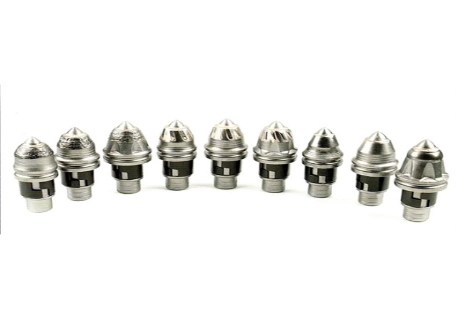
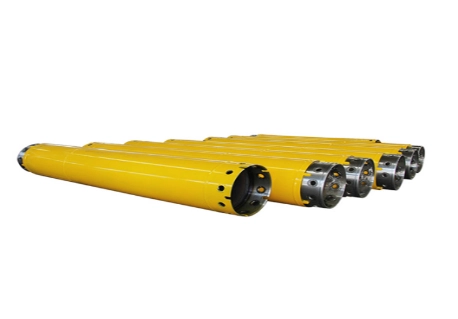
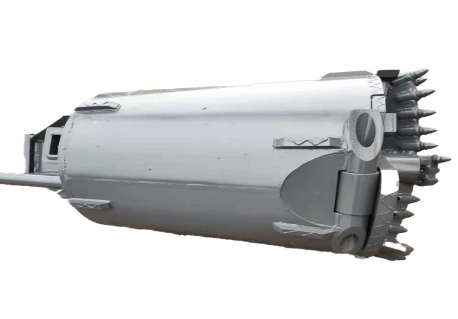
A hydraulic rotary drilling rig can use augers, buckets, core barrels, and casing tools for foundation or large-diameter work. A core drill bit attachment cuts an annular path and preserves a central core, which is useful when the formation must be identified. For very hard material, diamond core drilling gives clean samples but normally advances more slowly than destructive well drilling.
How to Change From Sand to Rock Without Losing the Bore
The transition zone deserves special attention. Expect mixed cuttings, changing torque, and uneven returns. The following sequence gives the crew clear decision points.
- Review bore logs, nearby wells, and expected groundwater levels before mobilization.
- Start with a pilot hole or conservative tool size where geology is uncertain.
- Advance temporary casing through loose sand before aggressive rock drilling begins.
- Clean the hole fully before changing from mud rotary tools to a hammer or rock bit.
- Reduce feed pressure at the interface; confirm the bit is centered before raising power.
- Track penetration rate, return volume, cuttings size, torque, air pressure, and vibration.
- Stop if returns disappear, the bore takes excessive fluid, or the drill string begins to bind.
Machine Features That Matter in Mixed Formations
Buyers often compare maximum depth first, yet mixed geology exposes other limits sooner. A reliable water well drilling machine needs balanced power, stable feed control, strong pullback, and a circulation package sized for the hole. Service access and tool-change time also affect daily output.
Torque, Pullback, and Feed Control
Torque turns the bit, but pullback frees a stuck string and helps recover heavy tools. Fine feed control prevents a hard bit from diving when it enters a softer seam. A hydraulic rotary rig should deliver smooth low-speed control rather than only a high peak figure. This matters when the operator must protect casing, keep the hole vertical, and manage broken rock above the bit.
Mobility, Headroom, and Site Access
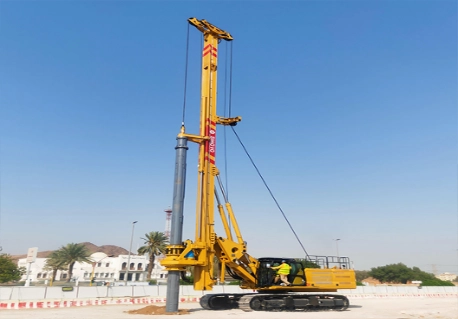
Crawler machines suit rough ground and short moves between holes. Truck-mounted units serve dispersed well projects where road travel matters. In redevelopment zones, urban height-limit piling rigs show the value of compact mast geometry and controlled movements near bridges, power lines, or existing buildings. The same site-planning principle applies to well work: confirm overhead clearance, working platform strength, drainage, and compressor position before drilling.
Tool Compatibility and Ground Support
Our products include water well rigs and rotary drilling tools for different construction demands. Tool compatibility should cover drag bits or tricone bits for softer ground, DTH hammers for rock, casing systems for unstable layers, and recovery tools for stuck equipment. In foundation work, a rock bucket can cut weathered rock, while a hydraulic hammer pile system serves a different purpose: driving piles rather than drilling a groundwater bore.
Common Failure Signs and Their Likely Causes
Early symptoms are valuable. A sudden change in returns or sound often appears before a serious delay. Crews should record these changes instead of reacting only after the hole collapses or the string becomes stuck.
- Sand keeps entering the bore: casing is too short, circulation is weak, or mud properties are unsuitable.
- Penetration drops sharply in rock: the bit is worn, flushing is poor, or the selected cutting action is wrong.
- Torque rises while returns fall: cuttings may be packing around the tool.
- Air returns disappear: the rock may be fractured or the upper bore may be leaking.
- The hole deviates: feed pressure is too high, the formation is strongly bedded, or the tool is not centered.
- The drill string sticks after a pause: loose material may have settled around it.
A Practical Selection Checklist for Contractors
A purchase decision should begin with the bore program, not a machine brochure. Ask suppliers to discuss the expected formation and the complete tool chain. SINOVO Rig can review depth, diameter, transport limits, local service conditions, and drilling method before a configuration is chosen through our products page.
- Expected sand thickness, rock type, fractures, and groundwater level
- Target depth and finished well diameter
- Mud pump capacity or compressor pressure and air volume
- Maximum casing diameter and pullback demand
- Available bits, hammers, rods, core tools, and fishing tools
- Fuel use, maintenance points, operator training, and spare-parts plan
- Road access, machine weight, working area, and height restrictions
For a broader view of available equipment, visit the SINOVO Rig product catalog or review the water well drilling rig range. These pages help buyers compare machine types before discussing a project-specific tool and support package.
Conclusion
A water well drilling machine can pass through sand and rock layers when the rig is matched with suitable circulation, casing, and cutting tools. Sand calls for bore support and reliable cleaning. Rock calls for impact or cutting energy, strong flushing, and close control of wear. The transition between them is where planning matters most. Contractors should confirm geology, choose a flexible drilling method, and monitor returns, torque, pressure, and penetration rate throughout the bore. A machine with balanced torque, pullback, tool compatibility, and local service support will usually deliver better results than one selected only by maximum depth. Careful method changes protect the bore, reduce stuck tools, and keep well construction on schedule.
FAQs
Q: Can a water well drilling machine drill through sand and hard rock?
A: Yes. Use casing or mud in sand, then a DTH hammer or rock bit in hard rock.
Q: How much drilling fluid may a medium bore circulate?
A: A project may require 500-2,000 L or more, depending on hole size and losses.
Q: How much does a rock drilling tool weigh?
A: Common tools range from about 50-500 kg; larger diameters may be heavier.
Recent Post