
VỀ CHÚNG TÔI
Nhưng để các bạn hiểu rõ nguồn gốc của sai lầm khi lên án khoái lạc và ca ngợi đau khổ, tôi sẽ trình bày toàn bộ vấn đề.
NHẬN BÁO GIÁ MIỄN PHÍ
-
Trang chủ

-
Blog
-
Ngành công nghiệp
- Crawler Core Drilling Rig Site Access Checks Before Delivery
Crawler Core Drilling Rig Site Access Checks Before Delivery
-
 tác giả
- 19,Tháng 11
“Access checked” needs a reference beside it. Which machine drawing was used? Was the rig on its carrier or already on the ground? Those questions matter when a crawler core drilling rig is ready for dispatch. The order may be settled, but a different transport arrangement can leave the site team reviewing the wrong outline.
Before delivery is released, connect the actual load to the route and the proposed setup. Follow it through unloading, movement to the hole and mast positioning. Record what was reviewed and who accepted each part. If the paperwork contains only a catalog width and the words “access checked,” the unloading and setup questions still have no answer.
Match the delivery sheet to the exact rig
There is a specific trap on the SD1000 and SD1000HD specification page: two models share the page. Under SD1000, the overall dimensions are 6,600 x 2,380 x 3,360 mm and total weight is 11,000 kg. Further down, SD1000HD has a transport size of 5,200 x 2,100 x 2,400 mm and a whole-machine weight of 8.5 t. Copying across the two tables would give the delivery team an incorrect description of the load.
The wording deserves attention as well. SD1000’s “overall dimension” row does not explicitly identify a transport state. Before a carrier is selected, that ambiguity needs an answer from the supplier. Is the quoted machine in the arrangement represented by those dimensions? What, if anything, has to travel separately?
Use the drawing for the dispatched configuration to settle those questions. Its revision and model designation should agree with the delivery documents. Separate components need entries on the packing list, including where they will be carried and received. Otherwise an apparently smaller machine outline can conceal another package for which nobody has arranged unloading.
Machine weight and shipment weight also answer different questions. Rods and tooling carried with the rig contribute to the load; items on a second vehicle belong to another delivery arrangement. Give the haulage provider the actual load details. A published rig weight cannot describe everything on the trailer.
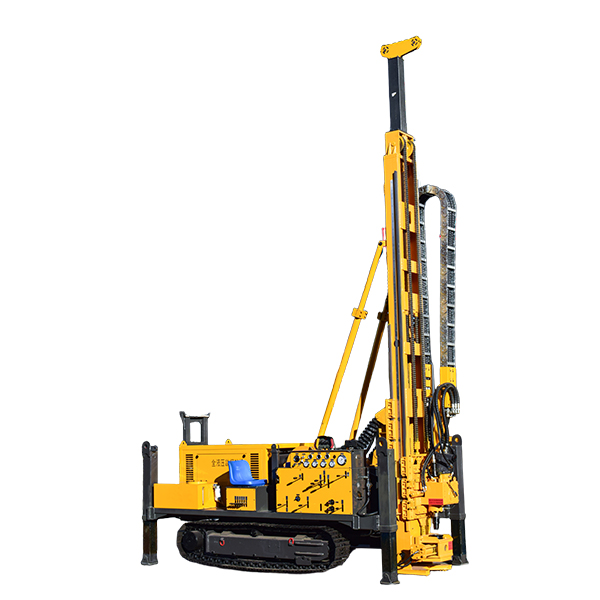
Review the carrier route and crawler route separately
Begin with the loaded vehicle. A height taken from the rig table leaves out the carrier arrangement beneath it. The truck also has to turn, possibly with a trailer following a different path. Give the haulier the approach drawing and ask for a review of the loaded combination, including the restrictions that apply to that journey.
After unloading, the geometry changes. The site team now follows the crawler route to the hole, with its turns, surface changes and temporary obstructions. A gate measurement is useful only if it describes the opening available on delivery day. Record where the measurement was taken. If protection is later fitted to the posts, measure between those finished faces before continuing to use the old figure.
Unloading connects the two routes, and it needs a location of its own. Put the carrier on the plan in the position proposed for that operation, with the unloading method identified. Ramps and lifting equipment cannot be selected from a product photograph. The people planning that operation need the machine instructions, load details and site conditions appropriate to their task.
Follow the drawing through to the carrier’s departure. Once the rig is off, where will its separate packages stand? Is the vehicle’s exit still available? A drilling pad can be ready while this part of the delivery remains undecided. Assign the unloading area and package locations before confirming the slot with the haulier.
Allow for the change from transport to drilling
Working dimensions belong beside transport dimensions, with the labels intact. In the SDL-280 and XSDL-280 dimension tables, SDL-280 changes from 4,600 x 1,900 x 2,540 mm in transport to 3,800 x 2,200 x 5,700 mm when working. XSDL-280 is listed at 5,600 x 1,900 x 2,600 mm for transport and 3,800 x 2,300 x 7,000 mm for work.
These figures describe two states. They do not show the space swept during setup. The reduction in listed length could look helpful on a cramped plan, yet the mast still has to reach its operating position. A supplier’s setup information is needed to check that intermediate movement against the surroundings.
On the working layout, put the hole in position before adding the rod storage and handling area. Include the path used to take recovered core away and the access required by the operator. A rectangle drawn tightly around the machine leaves these activities unaccounted for. They need room outside the listed dimensions, determined for the actual equipment and method.
If overhead services cross the area, identify them on the setup plan and refer the proposed work for the required site assessment. The height difference between a service and a rig is not, by itself, an approved clearance. Keep the assessment requirements with the plan, including any restriction on raising or moving the mast.
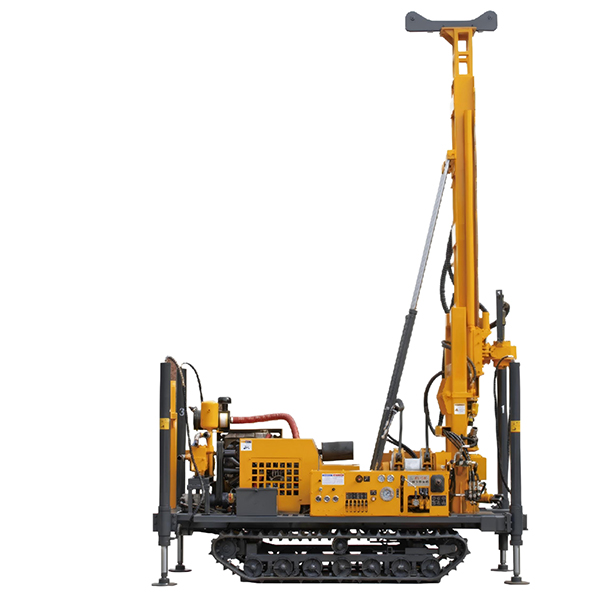
Resolve ground and support arrangements before dispatch
A route drawing shows where the rig is intended to go. It does not establish whether the surface can support that movement. Slopes, edges, buried services, possible voids and ground disturbed by other works belong in the site review. Rain after the survey may also change what the delivery crew finds.
The ground assessment is a job for the responsible site personnel, with machine information supplied for that purpose. A published climbing angle does not account for the ground on this route; a total weight does not tell them how loads will be supported at unloading or during work. Leave the movement unresolved until those questions have been assessed.
If preparation is needed, keep it visible on the delivery record. “Repair planned” and “repair completed and accepted” are different states. Name the person responsible for closing the item, with the evidence the site review requires. A dated completion record lets the delivery coordinator find the answer without reconstructing a series of calls.
Draw in the water supply and any separate pumping equipment, using the drilling arrangement agreed for the job. Follow the hose routes across the plan as well. Rod deliveries and core-box handling also need access. Allocate their locations before successive vehicles arrive; otherwise the first load can occupy the place intended for the next. This review concerns the whole working area, even though the rig is its largest single item.
Keep dispatch and arrival checks on the same revision
Keep the release record short enough to use at dispatch. Drawing number, revision, carrier/load reference and the route/setup plan should be identifiable without opening a long email chain. Beside an outstanding item, retain the person responsible and the required response. An empty box is ambiguous; “awaiting completion evidence” tells the coordinator why the item is still open.
At dispatch, reconcile the model, configuration and separate packages against that record. Arrival calls for a second comparison. Use the arrival check to find changes. Compare the delivered configuration with the dispatch record, and look again at the route and working area. A drawing dated before a new trench was excavated may have been correct when issued, but it is no longer enough to release that movement.
Consider a carrier substitution as a planning example. The rig has not changed, so its configuration drawing may remain valid. The transport review, however, was made for a different loaded combination. Return that part to the haulier for checking and hold the affected movement pending resolution. Once the decision is updated, replace the superseded reference in the crew’s working documents; keeping both without a status invites confusion.
Phần kết luận
When reviewing a crawler core drilling rig for delivery, start with the supplied configuration and keep its drawing attached to the site review. For an unresolved dimension or model detail, give SINOVO that drawing reference and the marked plan so the question is specific. Release dispatch only after the required haulage, unloading and site decisions are recorded, then check for changed conditions on arrival.
Câu hỏi thường gặp
Can product photographs confirm the transport arrangement
A photograph helps identify visible components, but it may show a different setup and cannot reliably establish dimensions. Resolve any disagreement with the dispatched configuration drawing and delivery documentation before using the image as a reference.
Does the first drilling position cover later boreholes
Only where their routes and setup conditions were included in the review. Another hole may introduce an obstruction, different ground or a changed handling area. Include the intended locations in planning and check changes before moving between them.
What if the supplier has not provided a working layout
The deployment review remains open. Ask for the configuration drawing, setup information and operating instructions needed for the selected machine. Transport dimensions can help screen the approach, but cannot supply the missing working-space information.
Bài viết gần đây
Sản phẩm liên quan
Sản phẩm bán chạy nhất
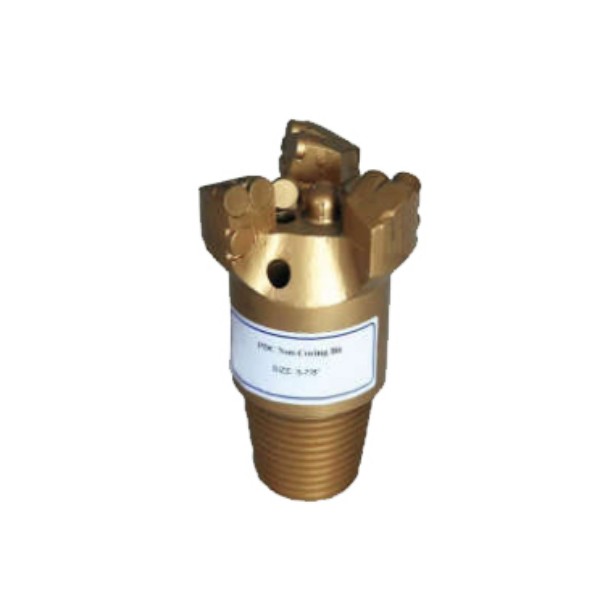
Mũi khoan không lõi
Mũi khoan không lõi SINOVO
Mũi khoan kim cương không lõi dùng cho khoan kim loại và khoan lõi, đạt chứng nhận CE/GOST/ISO9001
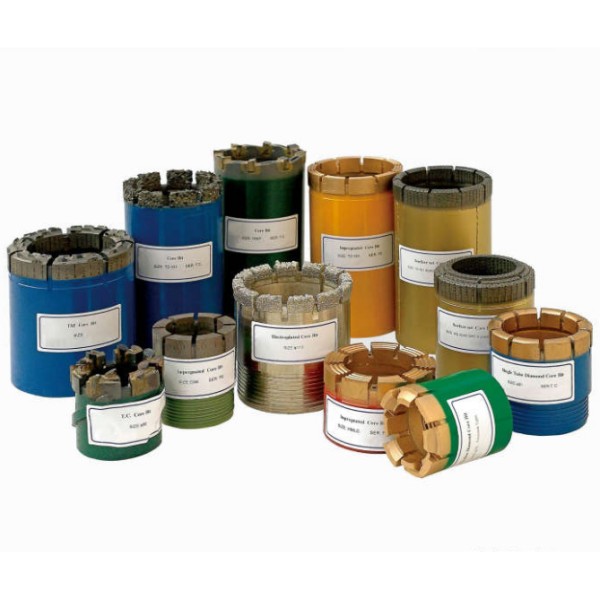
Mũi khoan lõi
Mũi khoan lõi kim cương dùng cho khoan kim loại và khoan lõi
Công ty chúng tôi chú trọng chất lượng sản phẩm và giữ vững uy tín, đồng thời nỗ lực hết mình để cung cấp những sản phẩm tốt nhất và dịch vụ xuất sắc nhất cho khách hàng. Để xây dựng hệ thống dịch vụ hậu mãi tốt, chúng tôi lập ra Chính sách Đảm bảo Chất lượng theo tiêu chuẩn chuyên môn và kết hợp với kinh nghiệm thực tiễn.
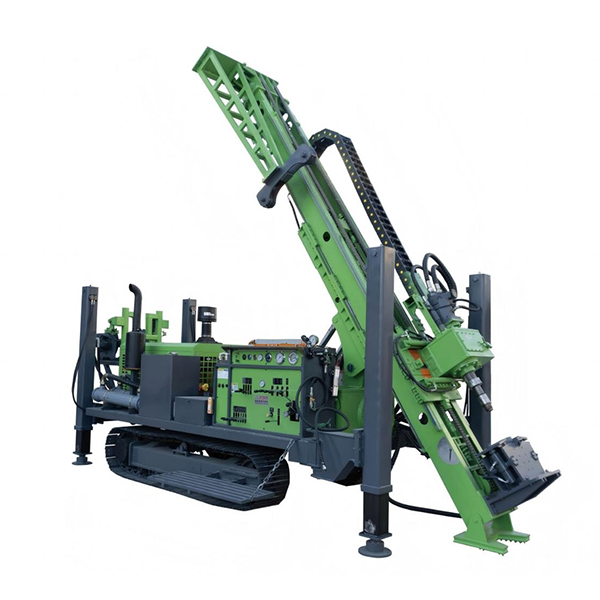
Giàn khoan lõi thủy lực hoàn toàn kiểu bánh xích SY1600/SY2000
Máy khoan lõi thủy lực toàn phần kiểu bánh xích SY1600/SY2000 là loại máy khoan lõi thủy lực toàn phần mới được công ty chúng tôi thiết kế sau quá trình tối ưu hóa và thiết kế sáng tạo dựa trên việc tham khảo rộng rãi các công nghệ tiên tiến của các máy khoan tương tự trong và ngoài nước. Máy khoan này được sử dụng trong quy trình khoan lấy mẫu lõi bằng dây dẫn kim cương, với hiệu suất vượt trội, tốc độ khoan cao, hoạt động ổn định, dễ vận hành, an toàn và đáng tin cậy, cùng thiết kế tích hợp cao, giúp toàn bộ máy nhỏ gọn và đa chức năng, tỷ lệ hỏng hóc thấp và bảo trì đơn giản, từ đó nâng cao đáng kể hiệu quả và chất lượng khoan.
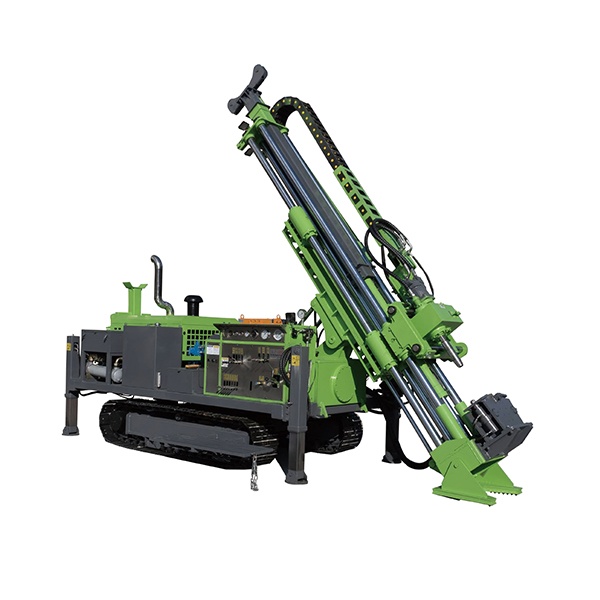
Máy khoan lõi thủy lực hoàn toàn kiểu bánh xích SY1000C/SY1200
Máy khoan lõi thủy lực toàn phần kiểu bánh xích SY1000C/SY1200 là loại máy khoan lõi thủy lực toàn phần mới được công ty chúng tôi thiết kế sau quá trình tối ưu hóa và thiết kế sáng tạo dựa trên việc tham khảo rộng rãi các công nghệ tiên tiến của các máy khoan tương tự trong và ngoài nước. Máy khoan này được sử dụng trong quy trình khoan lấy mẫu lõi bằng dây dẫn kim cương, với hiệu suất vượt trội, tốc độ khoan cao, hoạt động ổn định, dễ vận hành, an toàn và đáng tin cậy, cùng thiết kế tích hợp cao, giúp toàn bộ máy nhỏ gọn và đa chức năng, tỷ lệ hỏng hóc thấp và bảo trì đơn giản, từ đó nâng cao đáng kể hiệu quả và chất lượng khoan.
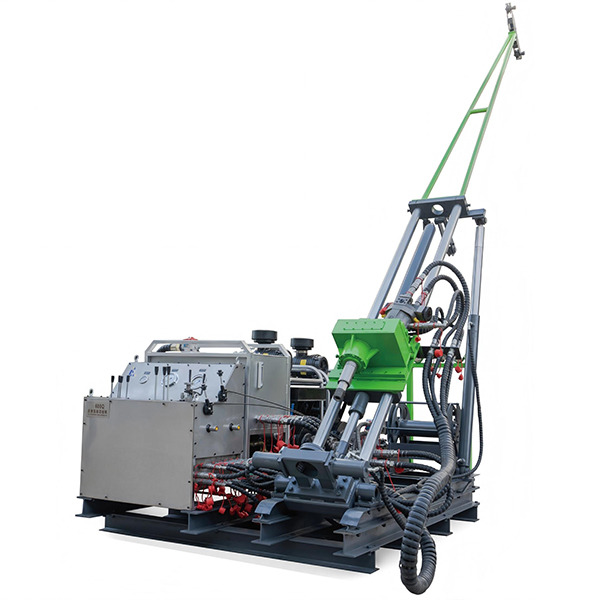
Máy khoan lõi thủy lực hoàn toàn di động SY600Q/SY800Q
Máy khoan lấy mẫu lõi thủy lực hoàn toàn di động SY600Q/SY800Q, thiết kế nhẹ và lựa chọn vật liệu, thiết kế dạng mô-đun, để đạt được công nghệ khoan lấy mẫu lõi kim cương thành mỏng hoạt động trên mọi địa hình, mọi tình huống, mọi ứng dụng, hiệu suất khoan cao, lắp ráp đơn giản, vận hành ở vùng xa, không cần xây đường hay phá hủy thảm thực vật, máy khoan có thể được vận chuyển bằng tay, an toàn và tiện lợi.
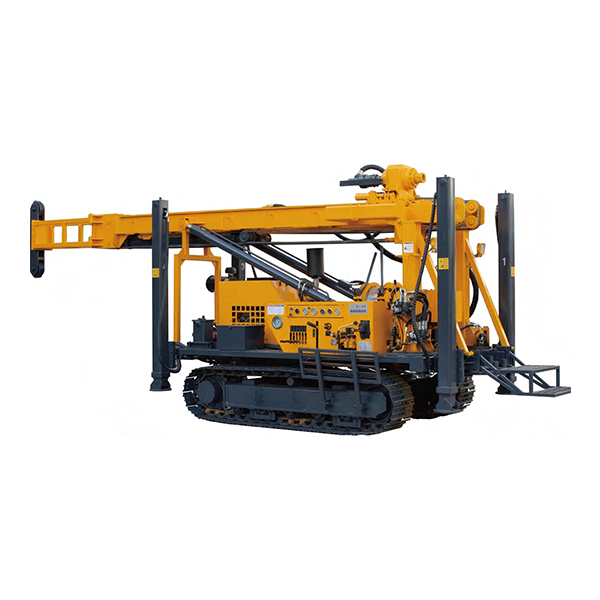
Giàn khoan cơ khí dẫn động trên đỉnh SDL350/XSDL350
Máy khoan cơ khí dẫn động trên đỉnh SDL-350/XSDL-350 là thiết bị khoan do công ty tự phát triển, có khả năng khoan 90° và tích hợp chức năng khoan nước và khoan khí nén. Máy sử dụng hộp số sàn 5 cấp, phạm vi tốc độ rộng, chuyển số tiến và lùi nhạy bén và thuận tiện, hiệu suất truyền động cao, giảm đáng kể mức tiêu thụ năng lượng, hiệu quả và tiết kiệm năng lượng hơn. Máy giải quyết khó khăn khi khoan bằng búa khí nén trong các lớp đất và hiệu suất thi công thấp của máy khoan xoay trong các lớp đá cứng, sỏi và đá cuội.