VỀ CHÚNG TÔI
Nhưng để các bạn hiểu rõ nguồn gốc của sai lầm khi lên án khoái lạc và ca ngợi đau khổ, tôi sẽ trình bày toàn bộ vấn đề.
NHẬN BÁO GIÁ MIỄN PHÍ
-
Trang chủ

-
Blog
-
Ngành công nghiệp
- Compact Hydraulic Piling Rig Selection: What to Send Before a Project Quote
Compact Hydraulic Piling Rig Selection: What to Send Before a Project Quote
-
 tác giả
- 29,Tháng 10
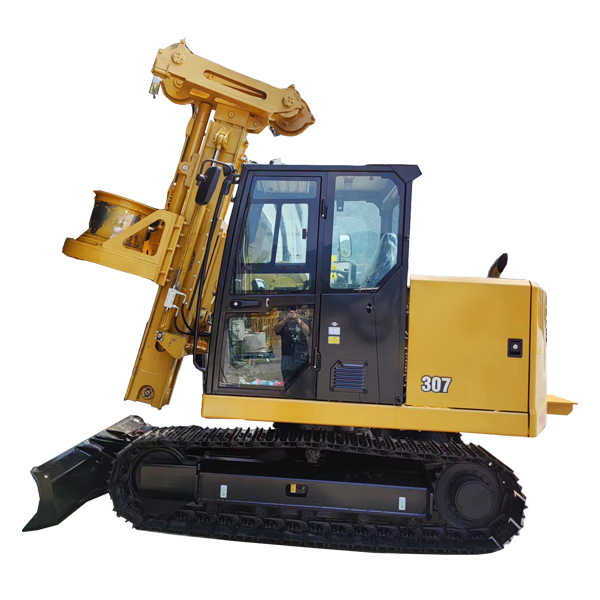
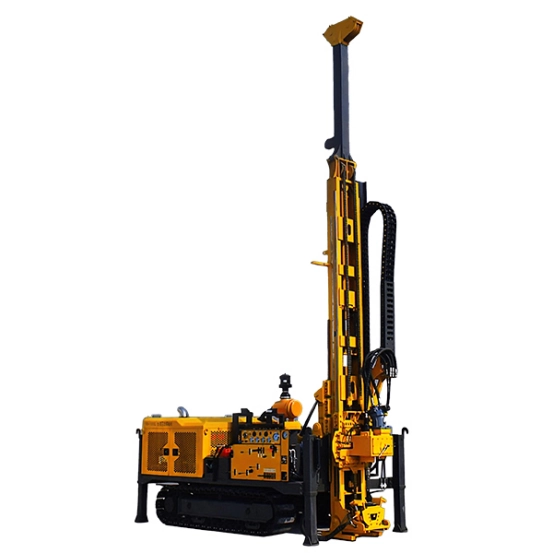
Figure 1. TR35 rotary drilling rig product image from the SINOVO product page.
Often the model is already in the subject line. The gate has not been checked yet. The site team may actually need an access check, a working-height check and a tool decision before it needs a model. “Please quote a compact hydraulic piling rig” does not tell a supplier how the machine will reach the pile or what the ground will do to the drilling plan.
The better starting point is a short project brief that can be checked line by line. The checks below are deliberately hypothetical. They are prompts for an RFQ review, not stories about named projects. They show how the answer changes when the RFQ carries a drawing, a pile schedule and a visible list of things still unknown.
The gate that looks wide enough
Take an unloading sketch with a measured 1,800 mm opening as a working example. The TR10 page gives a 1,680 mm body width; on paper that leaves 120 mm before any allowance for the route. It is tempting to write “TR10 fits” beside the gate.
That conclusion is too quick. Is the width measured between finished walls or between temporary protection? Does the rig arrive in the transport condition used for the published figure? Is there a turn immediately after the gate? Will the machine need room to correct its line on uneven ground? The 120 mm is useful because it tells the supplier what to draw. It is not a route approval.
The route sketch should begin at unloading. Mark the narrowest point, every turn, overhead restrictions, the unloading space and any lift that is needed. Continue the line to the pile positions. Write the maximum transport width and height beside the route. If a kelly bar or another part travels separately, draw that too. A body dimension without the transport arrangement leaves half the question unanswered.
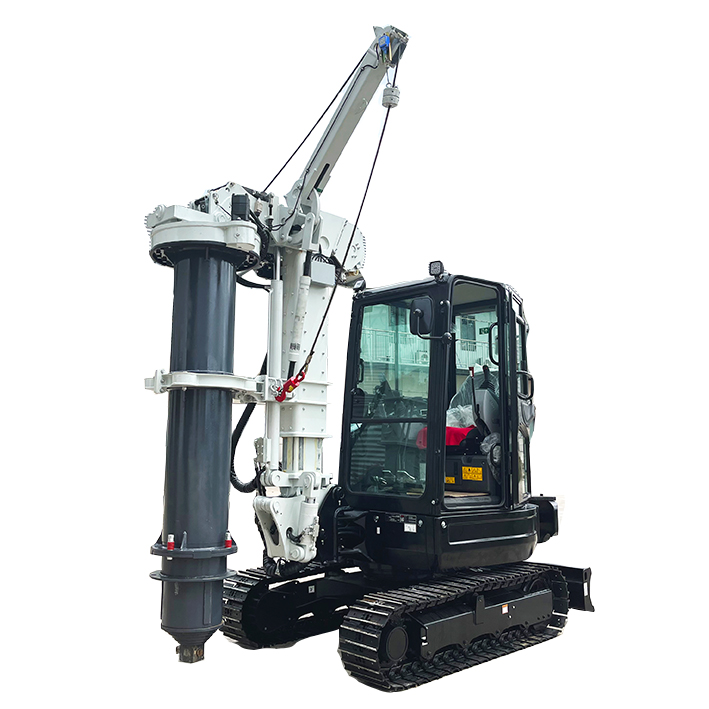
Figure 2. TR10 rotary drilling rig product image from the SINOVO product page.
The pile that fits the diameter row but not the room
Now imagine a pile location beside a low slab. Clear height, measured at the work point: 3,600 mm. The TR10 listing gives 3,500 to 3,950 mm for working height. I circle that line and ask for the setup sketch. A close lower figure still says nothing about the mast movement, the tool or the operator’s path during drilling.
On the work sketch I would mark the pile, slab, walls, utilities, traffic and spoil area together. I would then mark the patch of ground where the tool has to be handled, including the bit that is easy to lose behind a wall line. My next question is practical: show the quoted configuration and the sequence used to get the rig into position. Road envelope and pile envelope are two different checks. Mixing them can approve the wrong drawing. A product-page width can remove an obvious mismatch. It cannot show the clearance while the tool is moving.
The same drawing can record the platform. Weak paving, slopes, voids below ground and changes in bearing are the site team’s discussion, even when the machine page looks reassuring. Where preparation is needed, I put it beside the pile position in the quotation and name the person responsible. One price may include platform work and another may list it. Similar totals do not mean similar scope.
The 15 m line that removes the easy answer
Suppose a schedule contains piles at 15 m. That reaches the published maximum shown for TR35 and TR45. The figure is a screening point. It is not a production promise and it does not create extra margin for a changed design depth, a different tool or a difficult layer.
The pile schedule should sit beside the ground information. For each pile type, write diameter, depth, formation layers and groundwater conditions. Note casing, slurry or another bore-support method. Drilling method? Tools under consideration? I leave both fields beside the pile row. A verticality or base-cleanliness requirement belongs on its pile row, where the person pricing the tool will see it.
Torque, crowd, extraction force, winch capacity, rotary speed, kelly-bar arrangement and tooling sit in one review. A good number on its own is not a drilling plan. A maximum diameter or depth can remove a clearly unsuitable option, which is useful, but it cannot choose the tool for the ground. It cannot predict the cycle in this formation. Ask for the configuration sheet and operating limits before treating either 15 m row as a recommendation.
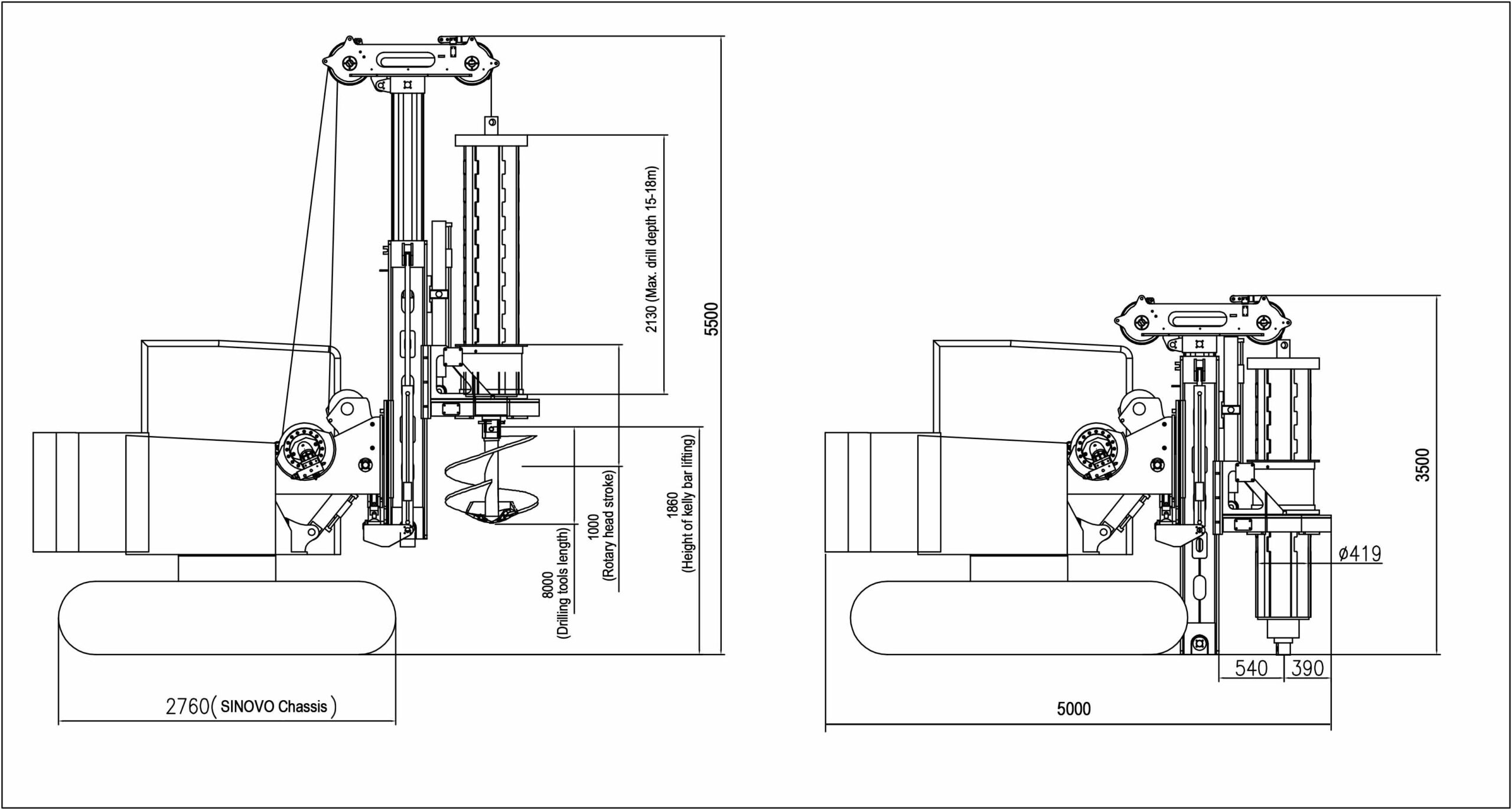
Figure 3. TR35 working and transport dimensions from the SINOVO product page.
A model comparison that keeps its rows intact
Cái SINOVO Mini & Small Rotary Drilling Rigs category page is a useful starting point. These are published screening values. They are not a project recommendation, and the current technical sheet and quoted setup still need confirmation.
The detailed TR10 row lists 12 m as its maximum depth. TR10 detail: drilling diameter 400–800 mm; torque 10 kN·m; body width 1,680 mm; working height 3,500–3,950 mm.
TR35 detail: depth 15 m; diameter 1,000 mm; torque 35 kN·m; category-page transport width 2,250 mm; category-page transport height 3,300 mm.
TR45 detail: depth 15 m; diameter 1,000 mm; torque 50 kN·m; chassis width 2,300 mm; transport dimensions 7,200 × 2,300 × 3,000 mm.
Cái TR10 model page supplies the detailed TR10 figures. The category page is the source for the TR35 listing. The TR45 model page supplies its detail. I leave the three notes separate; transport size and working clearance stay as different checks.
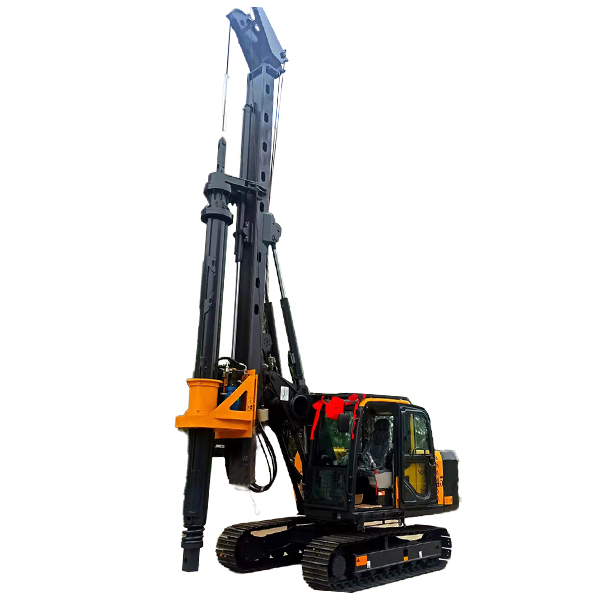
Figure 4. TR45 rotary drilling rig product image from the SINOVO product page.
The field sheet that prevents an email chase
Long email threads hide missing fields surprisingly well. A small field sheet gives both sides the same labels to work from:
`route_narrowest_width`, `route_lowest_clearance`, `transport_width_limit`, `transport_height_limit`, `working_headroom`, `working_width`, `pile_diameter_range`, `pile_depth_range`, `formation_layers`, `groundwater_note`, `support_method`, `tool_package_status`, `platform_condition`, and `open_supplier_assumptions`.
A field can say “Unknown—geotechnical report pending.” That is a real status, not a failure to complete the form. The project team owns route and platform measurements. The supplier can answer configuration, tool and operating-limit questions. Put the drawing or report reference beside the field. When the quotation is opened later, its assumptions can still be traced.
What the supplier should price
Ask the response to name the model and undercarriage, kelly bar, transport condition, included tools and options. For augers or buckets, rock or core tools, casing tools, bar sections and wear parts, I want the reply to say included, optional or excluded. If a chassis option changes a dimension, I want the drawing for the setup that is actually priced, not a generic outline.
In my request I ask for the current technical sheet, a configuration drawing, machine weight, transport and assembly steps, lifting points, operating assumptions and spare-parts scope. I also ask which missing fact would make the recommendation change. I put delivery basis, quotation validity and other commercial terms in the written response; a product page will not answer those questions.
For the broader urban-site question, see Loại giàn đóng cọc thủy lực nào phù hợp với các công trình nền móng đô thị nhỏ gọn?. That article covers general selection. This one is the pre-quote working sheet.
A plain RFQ note is often enough
Here is a template passage for an RFQ; it is not presented as a report from a particular site:
“Please quote a compact rig for the attached pile schedule. In the template, the route drawing says gate B is 1,800 mm wide and the clear height beside pile group 2 is 3,600 mm. The figures come from the current survey, and the supplier still needs to check the transport and working envelopes. The schedule in the template contains piles at 15 m and 1,000 mm diameter. The template marks formation below 9 m as under review, with the attached ground note labelled provisional. Please state the tool, kelly-bar arrangement, support method and operating limits used in your response.
“Please show the machine in its quoted transport condition. List what is included, optional or excluded, including tools, bar sections, wear parts and any lift needed for unloading. If the route or platform requires preparation, identify it separately from the rig price. If you need another drawing or a confirmed ground value, mark that item as an open assumption rather than filling it with a guess.”
The supplier now has questions with a place for answers. The buyer can reopen the same note later and see what was answered. The three measured constraints are visible. The ground note still says provisional. A later survey may change one line; the rest of the request can remain.
Why the small details change the comparison
A tidy quote can still leave three practical questions open. Can the rig get to the pile? Can the mast work there? Is the quoted tool the one the formation requires? Those are the questions I put in the margin during review. They help more than another list of headline specifications.
The route answer may be a drawing, not a sentence. The working answer may be a setup sketch with a lower mast position. The tool answer may be a note that says “confirm after the ground report.” Those answers are acceptable when they are visible. An unmarked assumption is harder to find and harder to challenge.
The same habit helps when two suppliers describe a similar machine in different ways. One may include the bar and the basic bucket in the price. Another may put them under options. One may show the transport body. Another may show a stripped dimension. Put the scope beside the figure before comparing the figures. Otherwise the spreadsheet gives a false sense of precision.
I also keep the revision date beside each drawing. A changed gate measurement should not be compared with an old machine setup by accident. If the pile depth changes, I mark the affected model row and ask the supplier to confirm the operating limit again. It is a small amount of record keeping, but it prevents a short email from becoming the permanent project assumption.
Nothing in this process requires a buyer to choose TR10, TR35 or TR45 in advance. The practical aim is simple: make the site readable to the person pricing it. Once the route, envelope, ground, pile and tool questions are in one place, the supplier can explain a configuration and the project team can decide what still needs a survey or a report.
A useful exchange starts with one awkward answer
A supplier may reply, “Which rig do you want us to price?” A buyer does not have to guess. A short answer can be more useful:
“Price the configuration that you can draw through the 1,800 mm opening. Please show the transport condition and the turn after gate B. The working point has 3,600 mm clear height. We have a 15 m pile in the schedule, but the lower formation is still provisional. Tell us which tool and support method you have assumed, and mark the depth or ground information that still needs confirmation.”
That reply changes the conversation. The supplier has a route to check, a height to check and a pile to check. The buyer has not pretended that the geotechnical information is complete. If the proposed setup cannot be drawn, the problem becomes visible before a purchase order.
The same exchange works when the first quotation names a model without a scope. “Is the kelly bar included? Which bucket is included? Are casing tools and wear parts optional? What is the machine weight in the transport condition shown?” These are ordinary questions. They become difficult only when the RFQ has no place for the answers.
Read the request before pressing send
Before I send an RFQ, I read it as though I must price it tomorrow. Can the narrowest route, pile clearance, platform condition, bore-support method, tool assumption and open items be found without a phone call? If the answer is no, the quotation is carrying an assumption the site team has not reviewed.
The reply I can use names a configuration, shows its scope and says what is still open. That gives the project team a way to compare TR10, TR35, TR45 or another option against the site itself. A measured request gives the supplier room to explain a choice and gives the buyer a record that can be checked when the drawing or ground report changes.
Bài viết gần đây